Sports massage therapy is far more than a collection of manual techniques applied to muscles. It is a practice that requires a clear understanding of how the human body is structured and how its systems function together. At the centre of this understanding lies anatomy.
For anyone training to become a sports massage therapist, a strong foundation in anatomy is essential. Without it, therapists may struggle to understand why certain treatments are effective, how injuries occur, or how the body responds to manual therapy.
At Vital Motion Academy, anatomy forms a fundamental part of our sports massage training because it allows therapists to work safely, professionally, and with purpose.
What Is Anatomy?
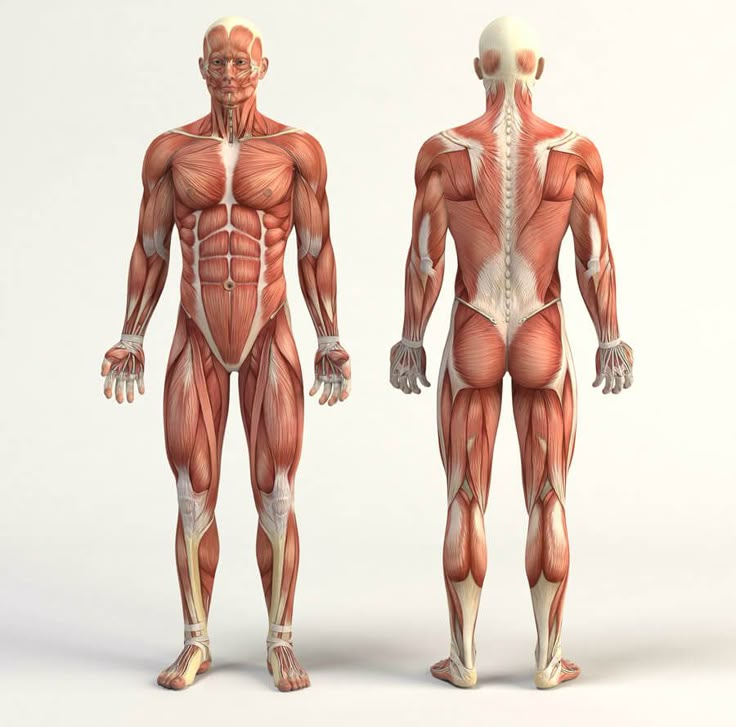
Anatomy is the study of the structure of the human body, including bones, muscles, joints, nerves, organs, and connective tissues. In the context of sports massage therapy, anatomy provides the framework for understanding how the body moves and how different tissues interact during activity.
For a sports massage therapist, this knowledge allows them to identify:
- Where muscles originate and insert
- How muscles produce movement
- How joints function and stabilise the body
- How connective tissues support and transmit force
- How nerves and circulation influence muscle activity
Understanding these structures allows therapists to apply treatments with greater accuracy and effectiveness.
Why Anatomy Matters in Sports Massage Therapy
Sports massage therapists work directly with soft tissues of the body, particularly muscles, fascia, and tendons. These tissues are closely connected to the skeletal and nervous systems, meaning that any treatment applied to one area may influence surrounding structures.
Without anatomical knowledge, it becomes difficult to understand:
- Why a muscle may become tight or overactive
- How movement patterns influence muscular strain
- Which areas may be affected by an injury
- How tension in one area may affect another part of the body
A therapist who understands anatomy can approach treatment with greater precision and clinical reasoning.
Understanding Muscle Function
Muscles are responsible for producing movement, stabilising joints, and supporting posture. However, muscles rarely work in isolation. Instead, they function as part of complex movement systems involving multiple muscles and joints.
For example, when a person runs, muscles in the:
- hips
- thighs
- lower legs
- feet
- core
all work together to produce efficient movement.
A sports massage therapist with anatomical knowledge can recognise which muscles are most likely to experience strain based on the movement patterns involved in specific activities.
Recognising Muscular Imbalances
Many muscular complaints experienced by clients are related to imbalances in the body. These imbalances may arise from:
- repetitive movements
- poor posture
- training habits
- previous injuries
- occupational activities
Understanding anatomy helps therapists recognise these patterns and identify which muscles may be overactive, underactive, shortened, or overloaded.
This awareness allows therapists to apply treatment in a way that supports balanced muscular function.
Safety and Contraindications
Another critical reason for studying anatomy is client safety.
Sports massage therapists must understand where important anatomical structures are located, including:
- major nerves
- blood vessels
- vulnerable tissues
- joints and bony landmarks
This knowledge helps therapists avoid applying inappropriate pressure to sensitive areas and ensures that treatment remains safe and professional.
Understanding anatomy also helps therapists recognise situations where massage may not be appropriate, which is essential for responsible practice.
Improving Treatment Precision
When therapists understand anatomy, they are able to treat muscles more accurately.
Rather than applying general pressure to an area, an anatomically informed therapist can:
- locate specific muscles
- follow the direction of muscle fibres
- work along tendon attachments
- adapt techniques according to tissue structure
This level of precision often leads to more effective treatment outcomes and a better understanding of how the body responds to therapy.
Anatomy as the Foundation of Professional Practice
In many ways, anatomy forms the foundation of professional sports massage practice. It allows therapists to move beyond simply performing techniques and instead develop a deeper understanding of the body.
A therapist who understands anatomy is better able to:
- interpret muscular tension patterns
- adapt treatment to individual clients
- work safely around joints and sensitive structures
- communicate effectively with clients and other health professionals
For this reason, anatomy education is a core component of responsible sports massage training.
Anatomy Training at Vital Motion Academy
At Vital Motion Academy, anatomy is integrated into our sports massage programs to ensure students develop a strong scientific foundation.
Our training pathway includes:
Sport Massage Level 1
Introduction to anatomy, physiology, contraindications, and foundational massage techniques.
Sport Massage Level 2
Development of clinical understanding and application of anatomical knowledge during treatment.
Sport Massage Level 3
Advanced sports therapy training for therapists working with athletes and active populations.
This structured approach allows students to build knowledge progressively while developing practical skill and confidence.
The Future of Professional Sports Massage
As the profession continues to evolve, the importance of education and anatomical understanding will only increase. Therapists who develop a strong scientific foundation are better equipped to work within sports performance environments, rehabilitation settings, and professional practice.
At Vital Motion Academy, our goal is to support the growth of sports massage as a profession by providing education that combines science, practical training, and professional standards.
Start Your Sports Massage Education
If you are interested in becoming a sports massage therapist or expanding your understanding of the human body, the right training can make a significant difference in your professional development.
Contact Vital Motion Academy
📱 WhatsApp: 068 742 1265
☎ Tel: 010 020 1532
🌐 vitalmotionacademy.co.za
✉ vitalmotionacademy@gmail.com
Vital Motion Academy (Pty) Ltd
The Future of Sports Massage Education in South Africa