Student Classroom
- Receive Your Welcome Email – includes your Google Classroom invite link.
- Join the Google Classroom – step-by-step on how to log in and access materials.
- Complete Your Student Information Form – link to a Google Form.
- Upload Required Documents – ID, proof of payment, etc.
- Introduced yourself on Google class room status page
- Received all study material
- Google Classroom
1. Introduction to the Human Body
Levels of organisation (cells → tissues → organs → systems)
Anatomical terminology (anterior/posterior, proximal/distal, etc.)
The importance of homeostasis
Planes of movement (sagittal, frontal, transverse)
Go to Google Classroom
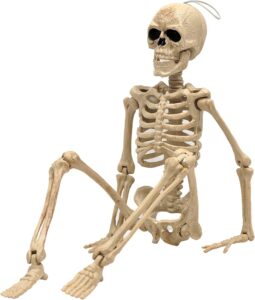
2. The Skeletal System
Functions of the skeleton
Major bones of the body (axial and appendicular)
Types of bones and joints
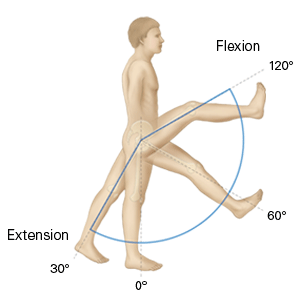
Common joint movements (flexion, extension, rotation, etc.)
Role of ligaments and cartilage
Posture and alignment in sports performance
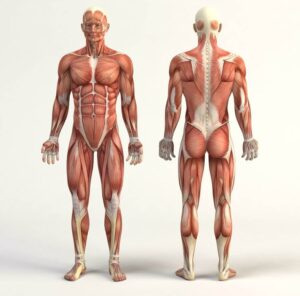
3. The Muscular System
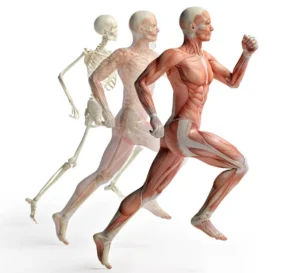
Functions of muscles in movement
Muscle structure (fibres, fascia, tendons)
Types of muscle tissue (skeletal, smooth, cardiac)
Major muscle groups relevant to massage:
Neck and shoulders
Back and torso
Upper and lower limbs
Muscle contractions (isometric, concentric, eccentric)
Muscle fatigue, tone, and recovery
The relationship between agonist, antagonist, and synergist muscles
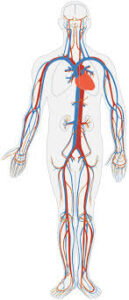
4. The Circulatory System
Structure and function of the heart
Blood vessels and circulation pathway
Effects of massage on blood flow and oxygen delivery
Understanding blood pressure and pulse
The lymphatic system and its link to immunity
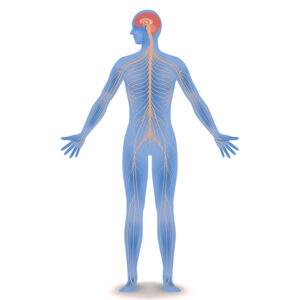
5. The Nervous System
Structure: brain, spinal cord, and peripheral nerves
Sensory and motor neurons
The autonomic nervous system (sympathetic & parasympathetic)
How massage influences relaxation and nerve function
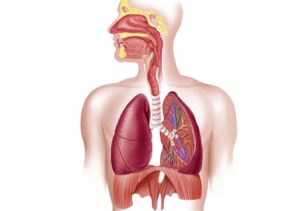
6. The Respiratory System
Anatomy of breathing (lungs, diaphragm, airways)
Gas exchange and oxygen transport
Effects of massage on breathing and recovery
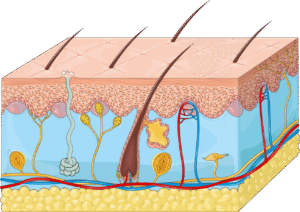
7. The Integumentary System (Skin)
Structure and functions of the skin
Skin layers (epidermis, dermis, subcutaneous)
Effects of massage on skin temperature and condition
Recognising skin conditions or contraindications
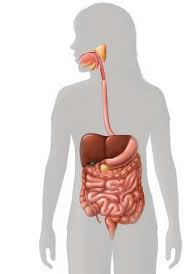
8. The Digestive and Excretory Systems (overview level)
Basic function in energy supply and waste removal
Importance of hydration and nutrition for muscular recovery
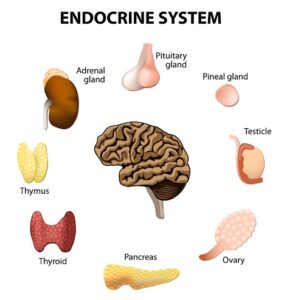
9. The Endocrine System (overview level)
Key hormones affecting stress, growth, and repair
How massage can influence hormonal balance (e.g., cortisol reduction)
10. Integration: The Body in Movement
How body systems work together during activity
Muscle–joint–nerve coordination
Biomechanics and movement patterns
Role of massage in maintaining performance and preventing injury
Massage Strokes
- Introduction to Massage Techniques
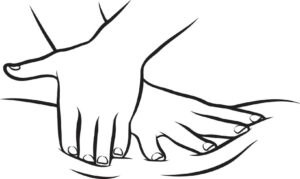
- Fundamental Massage Strokes
- Application & Adaptation
- Effects on the Body
Massage Sequences
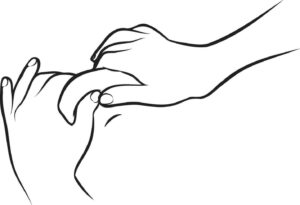
- Principles of Sequencing
- Regional Massage Routines
- Creating a Professional Routine
- Practical Integration

Practice Management
- Professional Conduct & Ethics
- Clinic Operations
- Health & Safety
- Business & Administration
Back & Neck
Introduction to Back & Neck Practical
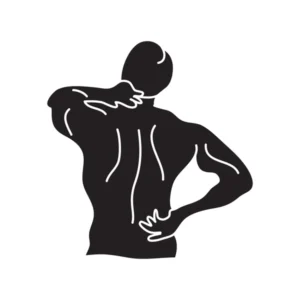
- Overview of the back and neck regions in sports massage.
- Importance of correct posture, positioning, and draping during treatment.
- Understanding client comfort and communication throughout the session.
- Review of relevant anatomy — major muscles, joints, and movement patterns.
Practical Techniques
- Application of effleurage, petrissage, friction, and tapotement on the back and neck.
- Techniques for relieving tension, improving circulation, and enhancing range of motion.
- Adjusting pressure, rhythm, and hand positioning for different body types.
Integrating strokes into a smooth and effective sequence for each region.
Assessment & Application
- Conducting a client consultation focused on back or neck issues.
- Identifying muscle imbalances, postural patterns, or trigger points.
- Designing and performing a targeted treatment plan.
Applying safety principles and contraindications during practice.
Learning Integration
- Observing instructor video demonstrations and guided routines.
- Practicing under supervision to refine flow, technique, and confidence.
- Reflecting on performance and maintaining treatment notes or logs.
- Completing all associated quizzes, case studies, and theory readings in Google Classroom.
Learning Activities
- Quiz: Test your understanding of back and neck anatomy and key techniques.
- Case Study: Develop a treatment plan for a client with upper back or neck tension.
- Video Lessons: Follow step-by-step demonstrations of correct posture and technique.
- Theory Reading: Study supporting materials and reference guides in Google Classroom.
Lower Body
Lower Body Anatomy Review
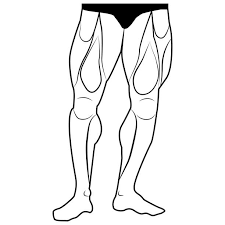
- Key muscle groups: quadriceps, hamstrings, gluteals, calves
- Major joints and movement patterns (hip, knee, ankle)
- Palpation techniques and identifying landmarks
- Circulatory and nervous system pathways affecting performance
Massage Techniques & Application
- Effleurage and petrissage for warming and relaxing leg muscles
- Deep friction for trigger points and tight fascia
- Tapotement and vibration for stimulation and recovery
- Stretch-assisted massage for enhanced mobility and flexibility
- Adapting techniques for pre-event vs post-event treatment
Practical Routine & Sequencing
- Step-by-step sequence for lower limb massage
- Integrating thighs, calves, and feet into a cohesive flow
- Adjusting client positioning (prone/supine) for comfort and access
- Timing and rhythm control during the full leg treatment
- Use of professional draping techniques
Client Assessment & Case Study
- Conducting a lower body consultation (pain, tightness, history)
- Assessing muscle balance and identifying overuse injuries
- Recording findings and treatment notes
Reflecting on client feedback to refine practice.
Learning Materials
- 🎥 Video Lessons: Demonstrations of lower body routines
- 📘 Theory Reading: Anatomy, technique adaptations, and safety notes
- 🧠 Quiz: Reinforcing knowledge of muscles and stroke application
- 📄 Case Study: Practical application on a mock or real client
Shoulders, Arms, Pectorals & Full Body
Upper Body Anatomy Review
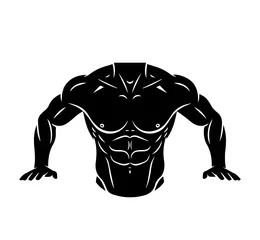
- Key muscle groups: deltoids, trapezius, pectorals, biceps, triceps, forearms
- Shoulder joint mobility and stability mechanics
- Common dysfunctions and postural issues (rounded shoulders, tight chest)
Nerve pathways and circulation through the upper limb.
Massage Techniques & Application
- Effleurage and petrissage for arms, shoulders, and chest
- Friction and trigger point work for deltoids, rotator cuff, and upper traps
- Tapotement and vibration for muscle stimulation and recovery
- Adapting techniques for relaxation vs performance enhancement
Stretching and mobilization for shoulder and arm flexibility
Full Body Routine & Integration
- Combining all regional routines into a seamless full-body session
- Flow sequencing: back → legs → shoulders → arms → chest → neck
- Maintaining rhythm, balance, and even pressure throughout
- Timing and structure for a professional 60–90 minute session
- Energy management and therapist posture for endurance.
Professional Practice & Time Management
- Organizing session flow efficiently
- Preparing and setting up the treatment area
- Managing consultation, treatment, and feedback time
- Revision and reflection on full-body techniques
- Preparing for assessment or client demonstration.
Learning Materials
- 🎥 Video Lessons: Full-body demonstrations and upper body techniques
- 📘 Theory Reading: Anatomy, sequencing, and time management strategies
- 🧠 Quiz: Assessing anatomical knowledge and treatment application
- 📄 Case Study: Realistic client scenario for upper or full-body session.
Exam Week
Overview & Schedule
- Monday–Thursday: Online theory exams covering anatomy, physiology, massage techniques, and professional practice
- Friday: Problem-solving, case study review, and revision session
- Saturday: Final practical exams — full body routine, consultation, and professional conduct assessment
Objective: Evaluate knowledge, application, and readiness for client work.
Theory Exam Focus Areas
- Anatomy & Physiology — muscular, skeletal, and circulatory systems
- Massage Techniques — strokes, sequencing, contraindications
- Professional Conduct — ethics, communication, hygiene, and safety
- Practice Management — booking, client records, time management.
Practical Exam Components
- Client consultation and assessment
- Demonstration of safe, effective massage techniques
- Full body sequence with correct flow and pressure
- Therapist presentation, posture, and professionalism
- Reflective feedback and post-treatment discussion.
Preparation & Revision
- 📘 Revision Materials: Key notes, anatomy charts, and treatment checklists
- 🧠 Exam Prep Quizzes: Practice tests to strengthen theory knowledge
- 📄 Review Case Studies: Analyze real-life scenarios for critical thinking
- 💬 Feedback Sessions: Instructor review and final guidance before exams.
First Aid Level 1 & 2 training
What’s Covered?
- Fundamental principles and objectives of basic emergency first aid.
- Applied basic
- emergency first aid.
- Basic fundementals of human anatomy and physiology
- Principlesofrecognising injuries andillnesses and providingappropriate basic emergency first aid treatment.
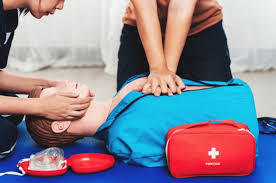
- CPR and choking:
- Adult, child and infant.
Preliminary exams & Finalization & Certification
Overview
- Completion and submission of all coursework, case studies, and logbooks
- Final evaluation of learning outcomes and practical hour verification
- Preparation for certification and professional registration.
Submission Requirements
- Case Studies: All weeks completed and submitted online
- Logbook: Minimum of 50 practical hours recorded and uploaded
- Instructor Review: Verification of performance and attendance
- Final Marks Compilation: Academic and practical components merged.
Certification & Feedback
- 📜 Certification: Awarded upon meeting all academic and practical criteria
- 💬 Digital Feedback: Personalized evaluation and growth plan
- 🗂️ Online Submission Portal: Easy upload of logbook and case studies
- 🌟 Next Steps: Guidance for registration with the Sport Massage Association and continued CPD opportunities.
Tech Support & FAQs
“I didn’t get my Google Classroom invite — what should I do?”
First, check your spam or promotions folder — sometimes the invite email lands there.
If you still can’t find it:
Log in to Google Classroom at https://classroom.google.com.
Make sure you’re using the same Gmail address you registered with.
If the class doesn’t appear, contact the admin at VItalmotionacademy@gmail.com or call us at 083 550 1476 and request that the invite be re-sent.
(Tip: Always use your registered Gmail address for all academy communication.)
“How do I upload assignments?”
All assignments are uploaded directly in Google Classroom.
Open the assignment under the “Classwork” tab.
Click ‘View Assignment’ → ‘Add or Create’ → Upload File (PDF, doc, or image).
Once your file is attached, click ‘Turn In’.
You’ll get a confirmation message that it’s been submitted.
📘 Pro Tip: Rename your file before uploading — for example:Name_Surname_Module1_Assignment.pdf
“Which email should I use for login?”
Always use the Gmail address you registered with when joining the course.
If you used a personal Gmail, log in using that same account.
If the academy provided you with a student Gmail account, use that instead.
Avoid switching between different Google accounts — it can cause access issues.
If you’re unsure which one is linked to your enrollment, email or message admin to confirm your registered address.
“Can I use my phone instead of a laptop?”
Yes! You can fully access Google Classroom on your smartphone or tablet using the Google Classroom app (available on Android and iOS).
However:
Some files or documents (especially PDFs or large assignments) are easier to view and upload on a laptop or desktop.
For typing long assignments, a computer is more convenient — but you can still use your phone for reading, quizzes, and submitting short tasks.
👉 We recommend having both options available if possible — mobile for quick access, laptop/desktop for coursework.